Why Choose a Commercial Pilot Course in India for a Flying Career
The dream of becoming a pilot often starts early — watching aircraft soar across the sky, imagining life in the cockpit, and picturing a career filled with travel, responsibility, and prestige. For many aspiring aviators, the biggest question is not whether to become a pilot, but where to begin the journey. Over the years, India has emerged as one of the most practical and rewarding destinations to pursue professional pilot training.
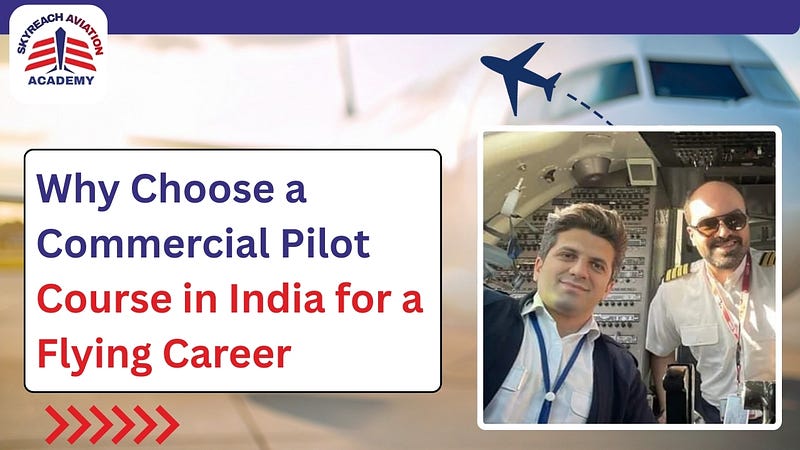
Choosing a flying career is a life-changing decision, and enrolling in a Commercial Pilot Course In India offers aspiring pilots a perfect balance of quality training, global recognition, and cost efficiency. With a rapidly growing aviation sector, strong regulatory frameworks, and increasing airline demand, India presents compelling reasons for students to build their aviation careers at home.
This blog explores why India is an ideal choice for pilot training, what makes the journey worthwhile, and how a commercial pilot course can turn your passion for flying into a long-term profession.
Growing Aviation Industry and Career Opportunities
India is currently one of the fastest-growing aviation markets in the world. Rising passenger demand, expansion of regional connectivity, and the launch of new airports have created an urgent need for skilled pilots. Domestic airlines are continuously adding aircraft to their fleets, while international carriers also seek Indian-trained pilots due to their strong technical foundation.
This growth translates into steady career opportunities. Students completing their commercial pilot training today are entering an industry that values trained professionals and offers long-term career stability. With aviation projected to expand further over the next decade, pilots trained in India are well-positioned for sustained employment and advancement.
DGCA-Approved Training Standards
One of the strongest reasons to pursue pilot training in India is the Directorate General of Civil Aviation (DGCA), the regulatory authority governing civil aviation. DGCA-approved flight schools follow structured training modules that meet international aviation standards.
Training under DGCA ensures:
- Well-defined syllabus and flight hour requirements
- Strict safety and maintenance protocols
- Qualified instructors with real-world airline experience
- Licensing that is respected by airlines in India and abroad
This structured approach helps students develop disciplined flying habits, technical expertise, and operational confidence from the very beginning.
Cost-Effective Compared to Overseas Training
Pilot training abroad can be extremely expensive, often involving higher tuition fees, living costs, and currency exchange challenges. In contrast, pursuing a commercial pilot course in India is significantly more affordable while maintaining high training standards.
Students save on:
- Tuition and aircraft rental costs
- Accommodation and daily living expenses
- Visa and international travel charges
This cost advantage allows students to complete their training without excessive financial pressure, making aviation careers more accessible to deserving candidates.
Familiar Environment and Cultural Comfort
Training in a familiar environment plays a vital role in student success. India offers the advantage of cultural comfort, familiar food, language, and support systems, which reduces stress during an already demanding training process.
Aviation training requires intense focus, discipline, and mental clarity. Being close to home and family allows students to concentrate fully on their studies and flight training without the additional challenges of adapting to a foreign lifestyle.
Strong Theoretical and Practical Foundation
Commercial pilot training in India emphasizes a balanced mix of theoretical knowledge and hands-on flying experience. Students are trained not only to operate aircraft but also to understand meteorology, air navigation, aviation regulations, and aircraft systems in depth.
This strong foundation ensures pilots are:
- Technically competent
- Decision-oriented
- Safety-focused
- Prepared for airline operations
A major part of this journey involves structured CPL exam preparation, where students are guided through DGCA examinations with proper ground classes, mock tests, and instructor-led revisions. This approach helps students clear exams confidently while developing real-world operational understanding.
Exposure to Diverse Flying Conditions
India’s diverse geography and weather patterns provide excellent real-world training exposure. From coastal humidity to desert heat and mountainous terrain, student pilots experience a wide range of conditions during their training.
Flying in varied environments helps pilots:
- Develop better judgment skills
- Handle unexpected weather changes
- Improve situational awareness
- Build confidence under challenging conditions
This exposure is highly valued by airlines, as it prepares pilots for real operational scenarios rather than controlled, limited environments.
Clear Career Progression Path
A commercial pilot course does not end with obtaining a license; it opens the door to a structured career path. After completing training, pilots can progress through multiple stages:
- First Officer on domestic or international airlines
- Type-rating training on specific aircraft
- Command upgrade to Captain
- Instructor roles or management positions
- Opportunities in charter aviation, cargo, or corporate flying
India’s expanding aviation ecosystem ensures that pilots have multiple avenues to grow professionally over time.
Increasing Acceptance of Indian-Trained Pilots Abroad
Indian pilot training has gained significant recognition globally. Many international airlines accept DGCA licenses after conversion, making Indian-trained pilots competitive in overseas markets as well.
The disciplined training structure, English-based instruction, and strong technical standards make Indian pilots adaptable to global aviation environments. This global mobility adds long-term value to pilot training completed in India.
Aviation as a Holistic Career Choice
Aviation is not limited to pilot careers alone. Many students exploring flying careers also consider related aviation professions. Training institutes often offer exposure to cabin crew, ground operations, and aviation management programs.
For example, students interested in airline hospitality and service roles often explore programs like the Air Hostess Course In Jaipur, which complements pilot training institutes and reflects the broader scope of aviation education available in India. This ecosystem allows aspirants to choose roles aligned with their strengths while staying within the aviation industry.
Discipline, Responsibility, and Personal Growth
Becoming a pilot is not just about flying aircraft; it is about responsibility, discipline, and leadership. Pilot training instills qualities that extend beyond the cockpit:
- Time management
- Decision-making under pressure
- Professional communication
- Safety-first mindset
These qualities shape students into confident professionals capable of handling complex situations calmly and responsibly — skills that are valuable in every aspect of life.
Supportive Training Infrastructure
India has invested significantly in aviation infrastructure, including modern airports, advanced simulators, and training aircraft. Many flight training organizations now operate with updated fleets and technology-driven learning tools.
Students benefit from:
- Modern aircraft with digital cockpits
- Flight simulators for emergency training
- Structured ground school classrooms
- Dedicated instructor mentorship
This infrastructure ensures students receive industry-relevant training aligned with airline expectations.
Emotional Fulfillment and Prestige
A career in aviation offers emotional satisfaction that few professions can match. The pride of wearing a pilot’s uniform, the responsibility of carrying passengers safely, and the thrill of commanding an aircraft make flying careers deeply fulfilling.
Pilots enjoy:
- Respect and recognition
- Travel opportunities
- A dynamic, non-routine work life
- A sense of achievement and purpose
For individuals passionate about aviation, no other career offers the same combination of excitement, responsibility, and global exposure.
Conclusion
Choosing a flying career is a bold and inspiring decision, and India provides one of the most practical pathways to achieve this dream. With strong regulatory oversight, cost-effective training, diverse flying conditions, and growing airline demand, India has established itself as a reliable hub for professional pilot education.
A commercial pilot course in India not only equips students with technical skills but also shapes them into disciplined, confident aviation professionals ready for global opportunities. For aspiring pilots seeking quality training without unnecessary complications, India remains a smart, future-ready choice for launching a successful flying career.


Comments
Post a Comment